Bluesky, the “decentralized” social network built on AT Protocol, went down for an hour despite being designed specifically not to. The outage was due to “major PDS networking problems”. These are personal data servers that Bluesky itself still largely controls. Folks on Mastodon were quite amused.
International Born-again Machines
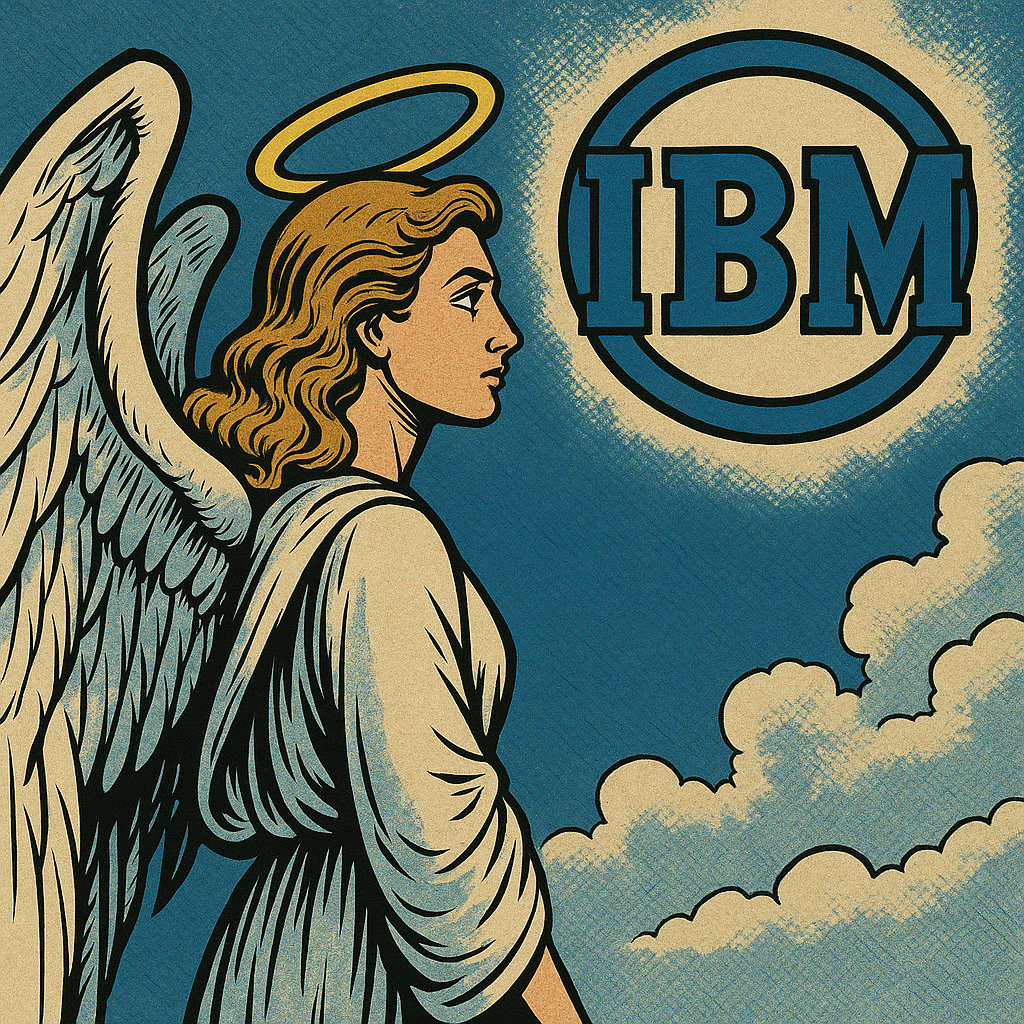
Two separate reports out of the Wall Street Journal detail the renaissance IBM is currently experiencing under CEO Arvind Krishna.
The first report details investments related to AI (natch). The second story reports on a massive investment in (wait for it) mainframe and quantum computing systems. Mainframes in 2025? Indeed.
First thing’s first: Big Blue has amassed $6 billion in generative AI bookings, mostly through consulting services. Quite the remarkable turnaround story for IBM, whose software division has found new life after shedding its IT outsourcing unit Kyndryl in 2021. For a company once considered a relic of computing’s past, this pivot represents a meaningful shot at relevance in our current AI-driven moment.
However, IBM’s track record with emerging technologies should give us pause. Despite pioneering achievements like Deep Blue and Watson, the company has consistently stumbled when translating innovation into market dominance. The cloud computing revolution offers a sobering example, where IBM watched as AWS and Microsoft Azure captured the market it could have led.
Speaking of cloud computing, don’t count IBM out just yet: they made quite the bold move in another area of investment. The company announced a staggering $150 billion investment in the US over the next five years, with over $30 billion earmarked specifically for R&D in mainframe and quantum computing systems. Cloud computing gets all the glory, true. But the backbone of global finance, healthcare, and government operations still runs on these powerhouse mainframes. IBM’s z-Series mainframes process 90% of all credit card transactions globally and handle core operations for 92 of the world’s top 100 banks.
And in the quantum computing realm, let’s talk about those qubits. The $30+ billion earmarked for quantum R&D is pretty impressive and potentially industry-defining. While Google, Microsoft, and others have made significant quantum computing advancements, IBM’s financial commitment here dwarfs previous investments in the space.
This isn’t just about computing power, it’s about establishing leadership in what will likely become the most transformative technology of our lifetime (including AI). When practical quantum computing arrives at scale, everything changes: drug discovery, materials science, cryptography, AI training, climate modeling, you name it. All of them revolutionized.
Krishna is breathing new life into IBM and recognizing AI’s transformative potential. The company’s stock is up, investors are taking notice, and there’s genuine excitement about IBM for the first time in years. For longtime IBM watchers, this feels like a critical inflection point. It might either be the beginning of a true renaissance or just another false start.
Sources: www.wsj.com/tech/ai/i… www.wsj.com/finance/i…
Meta just migrated Threads to the more prestigious Threads.com domain after acquiring it in September. Expect some cool new features: custom feeds, multi-column views, and easier post sharing. Plus, new tools for personalization and security.
My favorite comic strip while growing up was Peanuts. I collected the Sundays and recorded all the specials on VHS. But I never knew that Charlie Brown was named after a real person. While working as an art instructor in 1950, Charles Schulz asked Charlie Brown to use the name in his new strip.
The System Prompt is Down
Why are AI system prompts being treated like digital gold, leaked and protected like user passwords? What’s the real difference between a system prompt and a user prompt?
A system prompt acts like a hidden constitution: it defines the AI’s behavior, personality, and constraints across all conversations. In contrast, user prompts are the dynamic, moment to moment instructions we give, ephemeral and ever changing.
System prompts are the result of extensive R&D investment. They codify competitive advantage, encapsulate proprietary business logic, and increasingly represent a company’s core intellectual property.
So it’s not surprising that system prompts have become valuable targets. We’ve already seen system prompt leaks from ChatGPT and Claude. Additionally, Cursor’s system prompt was leaked, revealing its internal instructions. And Perplexity AI’s system prompt was exposed through prompt injection techniques.
For AI companies, protecting these prompts will require not just better technical defenses but also new legal frameworks specifically addressing the theft of prompt designs.
For users, this is a reminder: AI models aren’t neutral or purely spontaneous. Every impressive output you see is shaped by a deliberately engineered system prompt, an invisible layer that’s becoming one of the most valuable assets in the AI industry.
Sources:
www.geeky-gadgets.com/cursor-sy…

Chrome Covet
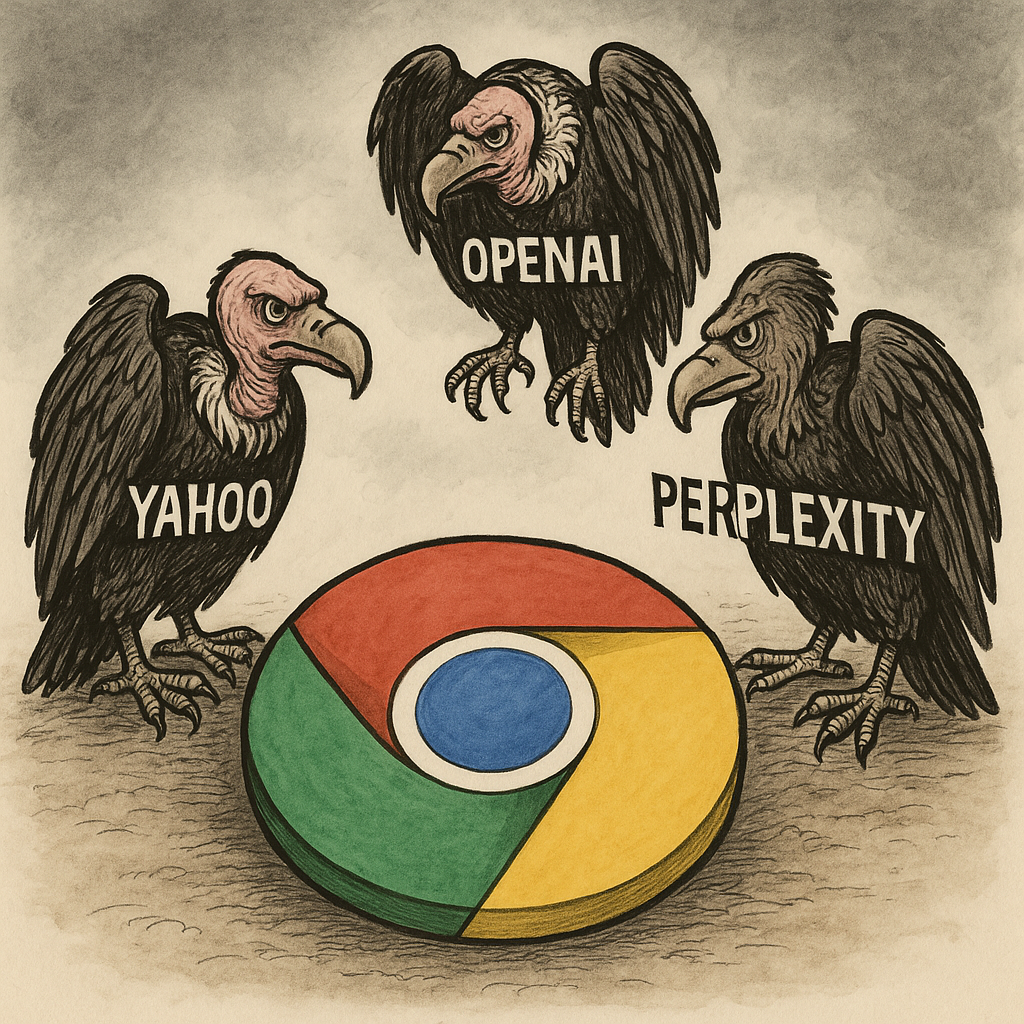
No fewer than three companies: Yahoo (yes, you read that right), OpenAI, and Perplexity have each been reported by The Verge as being interested in acquiring Google Chrome should the need to sell become reality.
The interest from these three in acquiring Chrome represents quite the convergence of business strategy and the result of the DOJ antitrust remedy. All three companies recognize Chrome’s immense value as a distribution channel and see its acquisition as a potential shortcut to challenging Google’s search dominance.
But each company has its own unique motivations too:
Yahoo is focused on boosting its search engine’s market share and sees Chrome as a means to that end.
OpenAI is interested in enhancing its AI models’ capabilities through better access to search data, viewing Chrome as a tool to diversify data sources (outside of Bing).
Perplexity aims to overcome distribution challenges posed by Google’s existing agreements and is cautious about the broader implications of such an acquisition.
For its part, Google has strongly opposed the potential divestiture, arguing that it would be disruptive and damage the browser’s functionality, while also maintaining plans to appeal the decision.
Sources: lnkd.in/eS4HC3QC
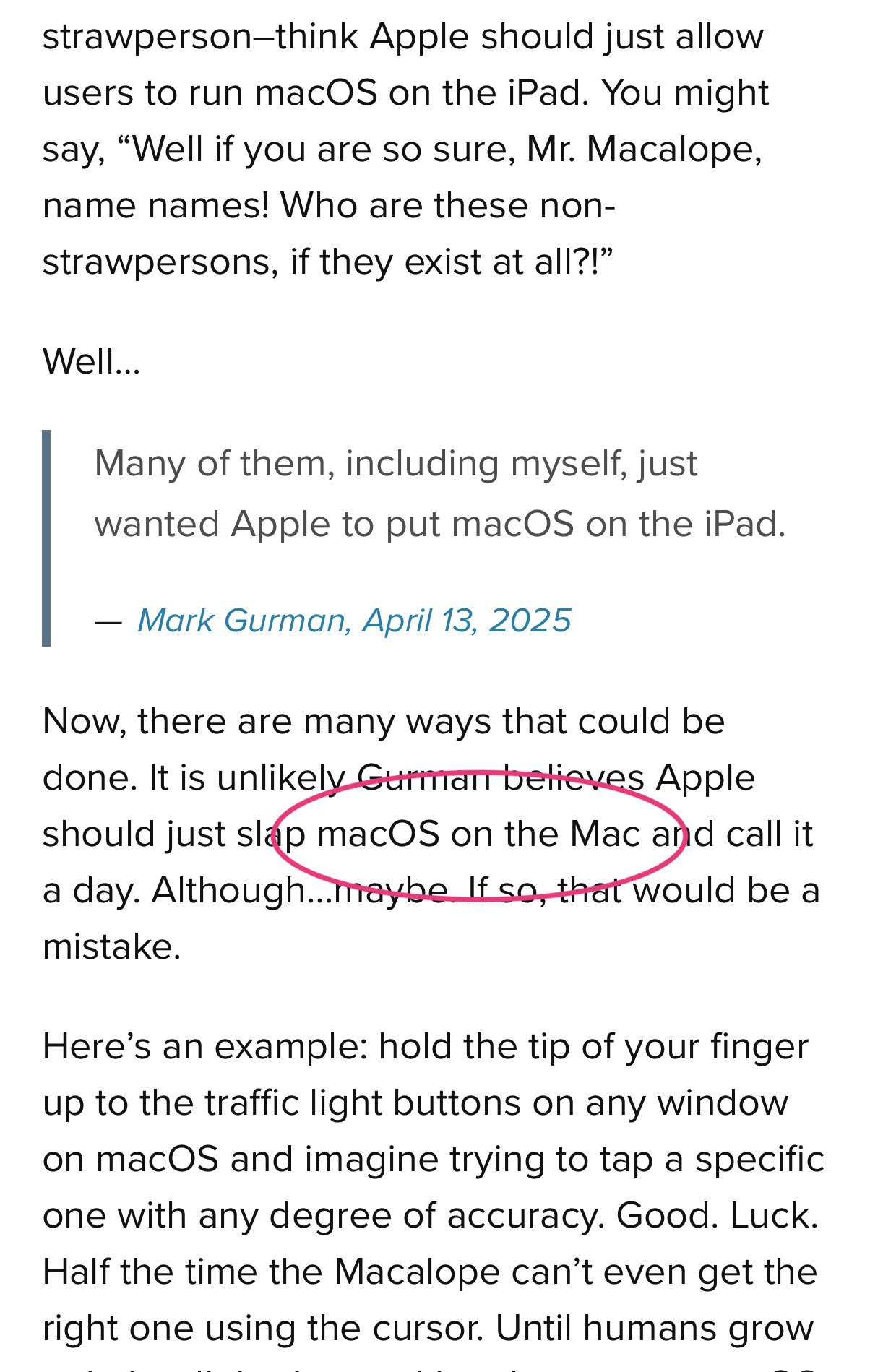
I think Macworld ‘s Macalope meant “slap MacOS on the iPad and call it a day”. But I’m not 100% sure the way it’s written. 🤷🏼♂️